Elbow OCD Awareness for Young Athletes
Why I built this site
Elbow osteochondritis dissecans (OCD) can start as “just soreness” and become a season‑ending injury. This project exists to help athletes, parents, and coaches recognize early warning signs, understand diagnosis and treatment options, and make safer return‑to‑play decisions.
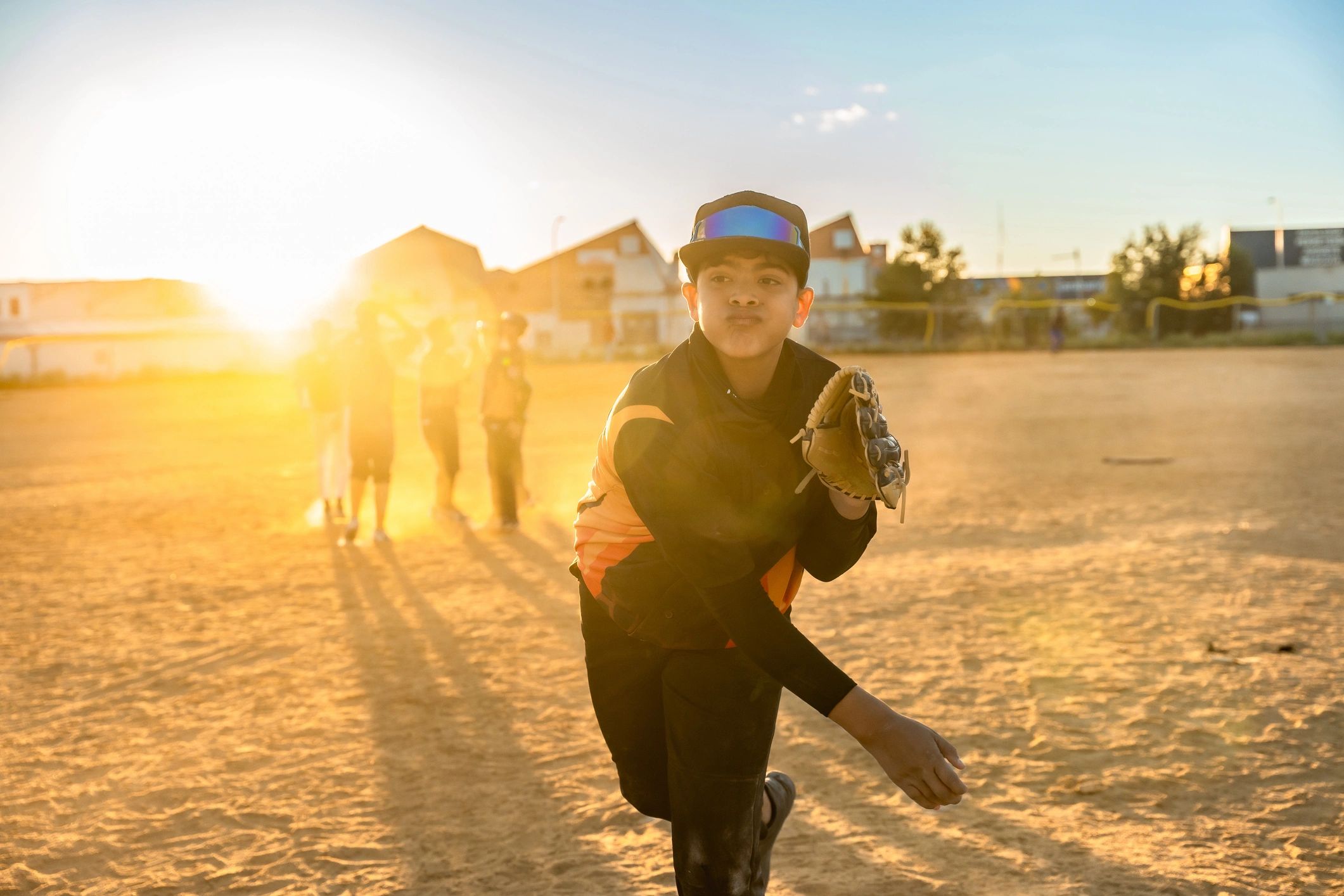
My approach: clear, caring, athlete‑friendly education
I’m not here to replace medical care—I’m here to make it easier to know when to get evaluated, what questions to ask, and how to protect a growing elbow.
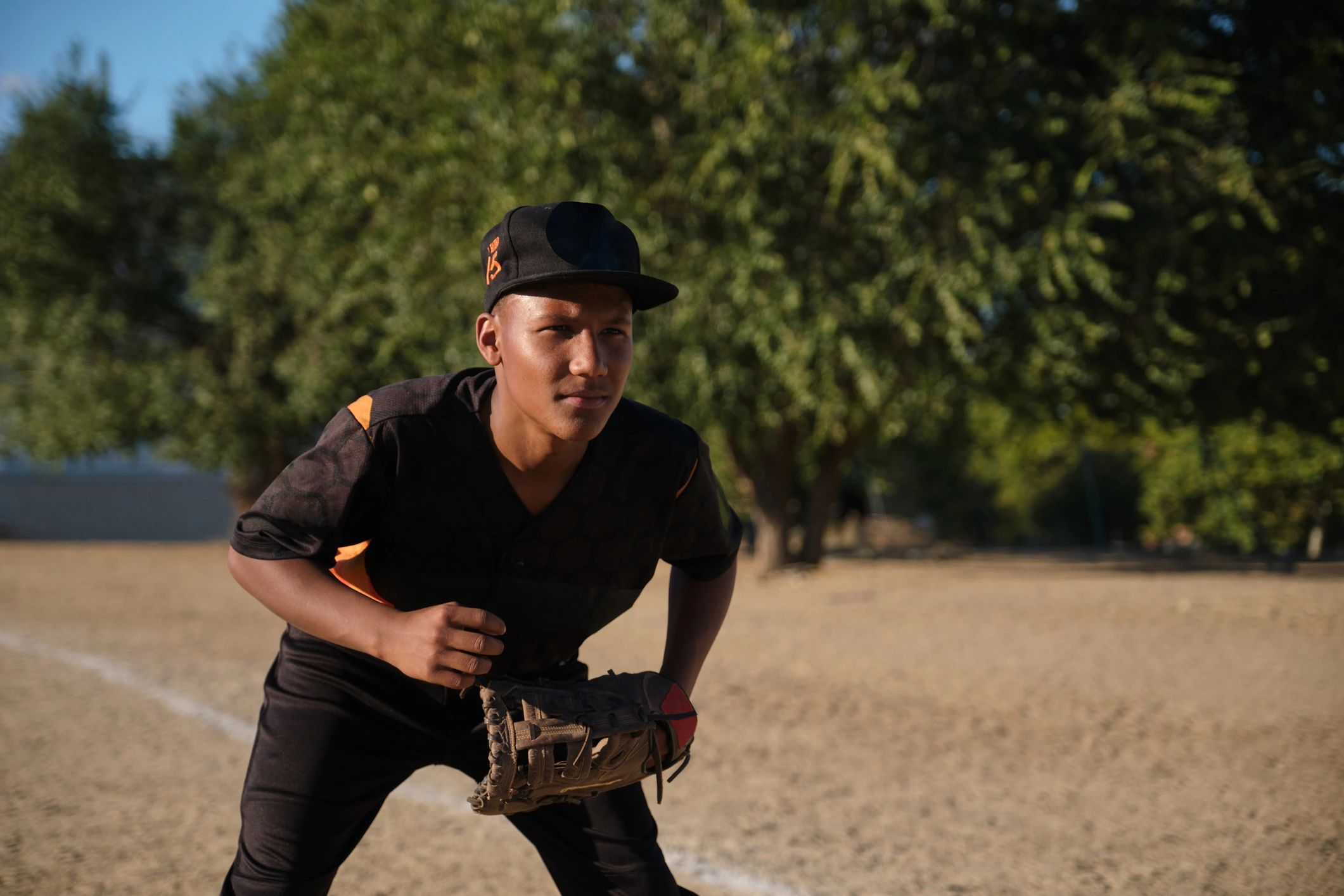
Step 1
Notice the patterns
Pain with throwing, loss of velocity/control, stiffness, or swelling can be early clues—especially when symptoms linger or return quickly after rest.
Step 2
Get the right evaluation
Early assessment matters. Imaging and a sports‑focused exam can clarify whether this is overuse, an OCD lesion of the capitellum, or another throwing injury.


Step 3
Return to play—safely
The goal isn’t “back fast”—it’s back ready. Rehab, workload management, and a gradual throwing progression help reduce re‑injury risk.
My story
From “it’ll go away” to “let’s get answers”
Like many families, I learned that youth sports injuries don’t always announce themselves loudly. A little soreness can be easy to dismiss—until it isn’t.
My name is Lance, and I am a 13-year-old competitive gymnast and competitive athlete, currently in 7th grade at Charles Wright Academy. I was diagnosed with osteochondritis dissecans (OCD) of the capitellum in the elbow, a joint condition that affects the bone and cartilage in young athletes. My injury experience changed how I view sports, health, and recovery. Like many young athletes, I was encouraged to push through pain without fully understanding the warning signs of a serious injury. Going through diagnosis and treatment helped me realize how limited injury education can be for young athletes and how isolating the recovery process often feels. I created Injury Awareness for Young Athletes (IAYA) to help change that by giving young athletes a voice and helping others better understand injuries before they become more serious.
If pain keeps coming back, it’s information—not something to push through.
Elbow OCD Awareness
Everything here is written with one goal: help you feel more confident taking the next step—whether that’s rest, a sports medicine visit, or learning what “return to play” should look like.
Words I hear often (and why they matter)
These are common experiences shared by athletes and families. If any of this sounds familiar, you’re not alone—and you deserve clear guidance.
★★★★★
“My elbow only hurt after games… then it started hurting during warmups.”
Parent of a 13‑year‑old pitcher
Early warning signs
★★★★★
“He couldn’t fully straighten his arm, but we thought it was just tightness.”
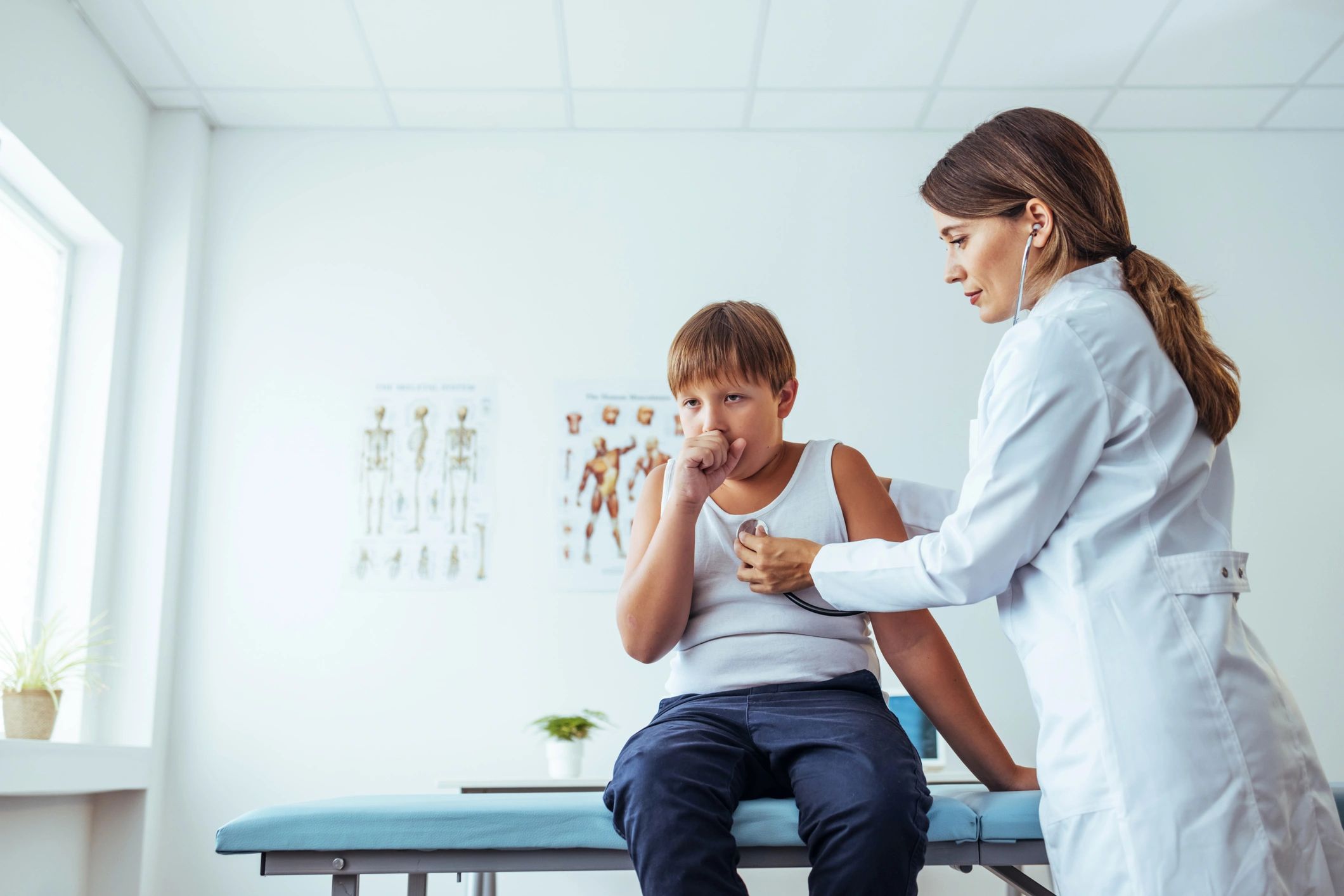
Coach
Range of motion changes
★★★★★
“We wanted to return quickly, but a step‑by‑step plan made all the difference.”
High school athlete
Safer return to play